How Scolah Compass ties proof-of-life verification directly to pension disbursement — so a beneficiary proves she's alive from her own home, and a payment never lapses without anyone knowing why.
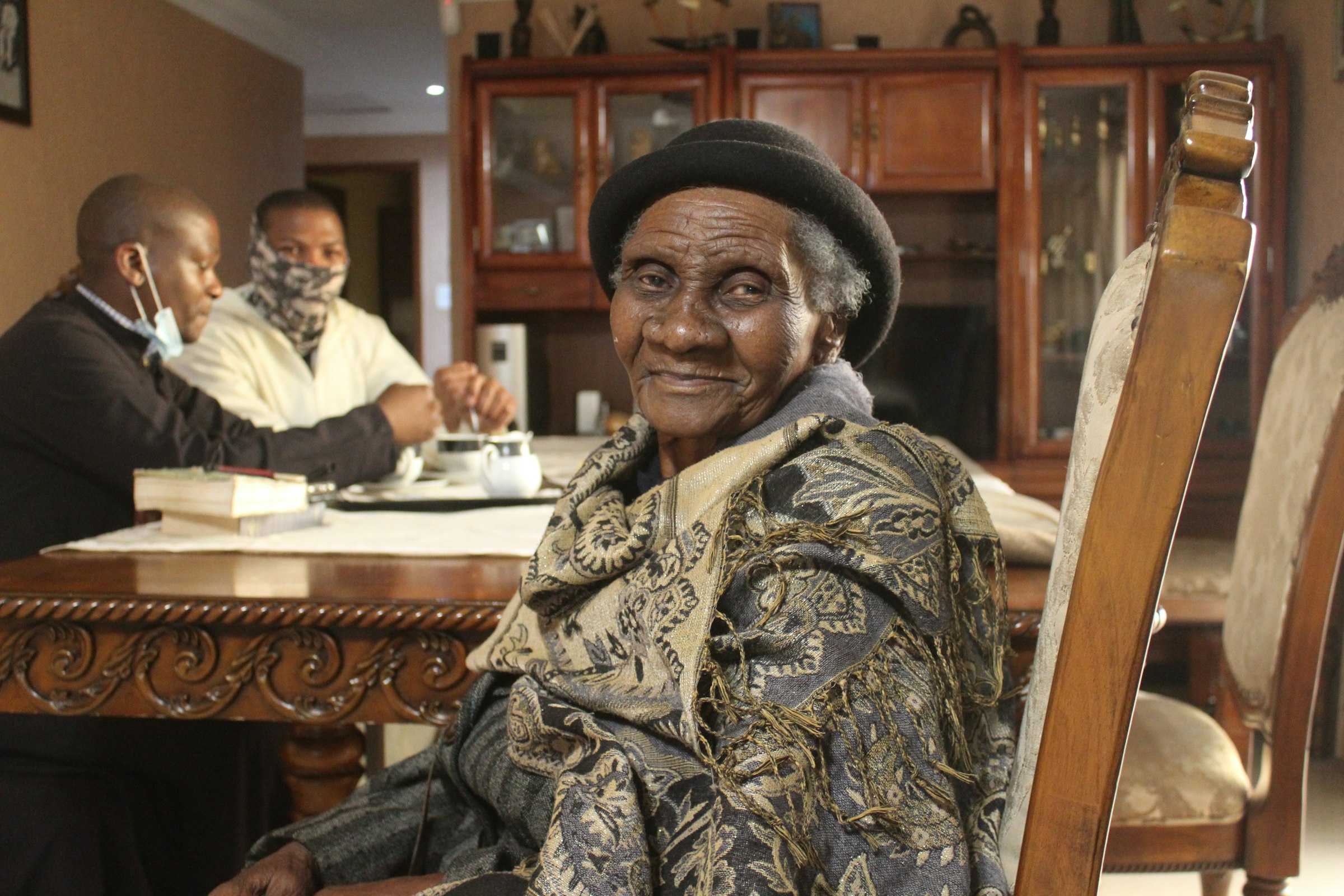
Esperanza turned seventy-four this spring. Twice a year, until last November, she caught the first bus at five, then a second, then walked the last forty minutes to sign a paper register at the district office — the only proof the pension office accepted that she was still alive.
This spring, a caseworker called her granddaughter's phone. Esperanza's face filled the screen for eleven seconds. The register updated itself. She never left her kitchen.
Most case files close. A pension record doesn't — it has to prove, again and again, that the person behind it is still here. What follows is organised the way the programme actually runs: around that recurring proof, not a one-time enrollment.
A pension record opens once, at enrollment. Everything that follows depends on one recurring question the programme must keep answering: is this person still here? Answered badly, it produces two failures that look unrelated but share a single root cause.
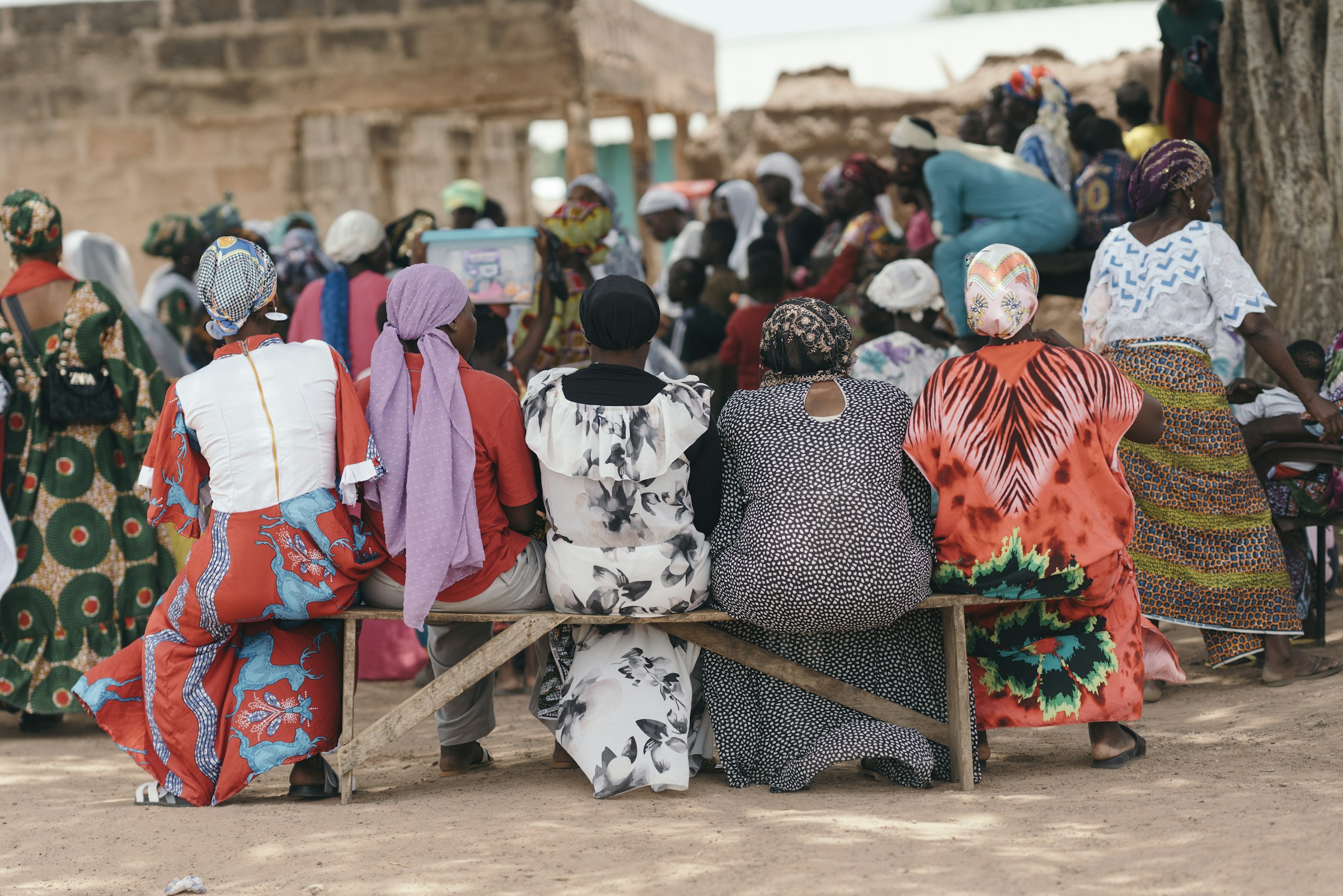
In most legacy systems, proving you're alive is the beneficiary's job, done in person, on the programme's schedule. An elderly recipient — sometimes frail, sometimes hours from the nearest office — travels to a district counter once or twice a year to sign a register, often waiting in a line built for someone younger and more mobile. Missing that window, for any reason, can mean a suspended payment with no one following up on why.
The opposite failure costs governments real money. When a beneficiary dies and no one tells the pension system, payments keep going out — to a bank account, a mobile wallet, or a relative who never reports the change. Programmes call these ghost beneficiaries, and audits keep finding them years after the fact, not months.
Both failures trace back to the same design flaw: verification treated as an annual event instead of a running cycle tied to the thing it's supposed to protect — the payment itself. Fix the cycle, and both sides of the ledger close at once.
Ask any pension authority what its two hardest lines to defend in an audit are, and the answers are consistent: how much is still being paid to people no longer living, and how many beneficiaries are missing a cycle simply because the office is too far to reach twice a year.
Neither number moves on its own. Closing one without the other just trades one failure for the opposite — a stricter register that catches more ghost payments also catches more living pensioners who couldn't make the trip in time.
A pension cycle isn't a single check. It's a loop that keeps running for as long as the beneficiary needs it to — with one branch for the moment it doesn't close on time.
The left-hand loop is the path almost every cycle takes: a verification clears, a payment releases, and the record waits for the next cycle to open. The right-hand branch only activates when a cycle is missed — and it always rejoins the same loop, at Verify, rather than ending the case.
Compass Field supports whichever verification channel fits the beneficiary and the terrain — and lets a programme mix all three within the same cohort, cycle by cycle.
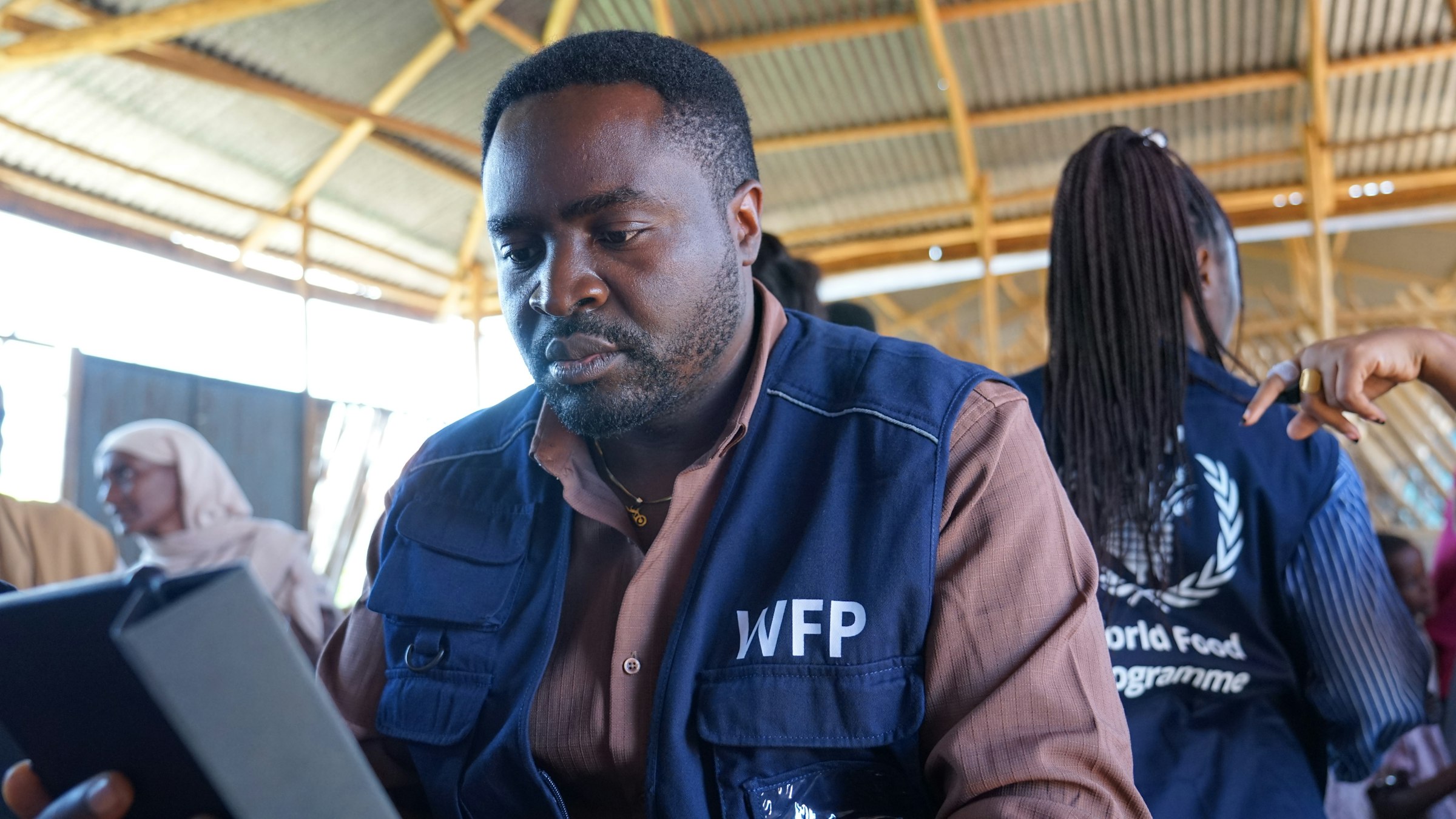
A caseworker or family member opens a scheduled call from any smartphone. Liveness is confirmed on screen, timestamped, and attached to the record — no travel for either side.
A local field agent visits in person where connectivity or literacy make a call impractical. The visit is logged offline and syncs to the record the moment signal returns.
Where a national biometric system already exists, a fingerprint or iris match closes the cycle in seconds, cross-checked against the original enrollment record.
Field agents working outside signal range still capture the visit, the photo, and the GPS tag locally. Nothing is lost to a dead zone — the cycle closes the moment the device reconnects.
No beneficiary is required to travel, queue, or explain themselves twice. A verification attempt that fails the first time reschedules automatically rather than defaulting straight to a hold.
Compass Disburse doesn't run on a separate calendar from verification — it runs on the same one. A cleared cycle releases the payment automatically; a missed one holds it in place until the next successful check.
The most common rail for cycles verified by video or biometric match — funds land the same day the cycle clears, with no batch delay in between.
For beneficiaries banked through a national payment system, disbursement reconciles against the same batch record a finance officer already audits.
Where neither rail reaches, a designated cash agent releases payment against a verification code generated the moment the cycle closes.
A missed verification pauses the next disbursement — it does not cancel the pension or require re-enrollment. The hold lifts, and any owed payment releases with it, the moment a later cycle clears.
Every payment carries the verification event that authorised it. A finance officer auditing the batch sees exactly which cycle cleared which payment — not a ledger entry with no upstream proof.
A pension authority doesn't need Compass to become its national ID system or its civil registry — it needs Compass to ask them the question that matters, automatically, every cycle: is this person still on record elsewhere as living?
Cross-checks each verification cycle against government death records — catching a change the pension system would otherwise learn about months late, if at all.
Shares one beneficiary identity across the wider social-protection stack, for pensioners who also draw disability, health, or household support.
Where a national biometric programme already exists, Compass reads its match result as one valid verification channel — not a system to duplicate.
Reconciles against mobile-money, bank-transfer, and cash-agent networks already in use — no parallel payment ledger to maintain.
Every module shares one lifetime beneficiary record. Field and Disburse do the recurring work; the rest make that work visible, safe, and reportable.
Every programme runs its own cadence, its own rails, its own registries. What doesn't change is the cycle underneath — verify, pay, hold if needed, reinstate. Here's what a Scolah Compass engagement puts in place.