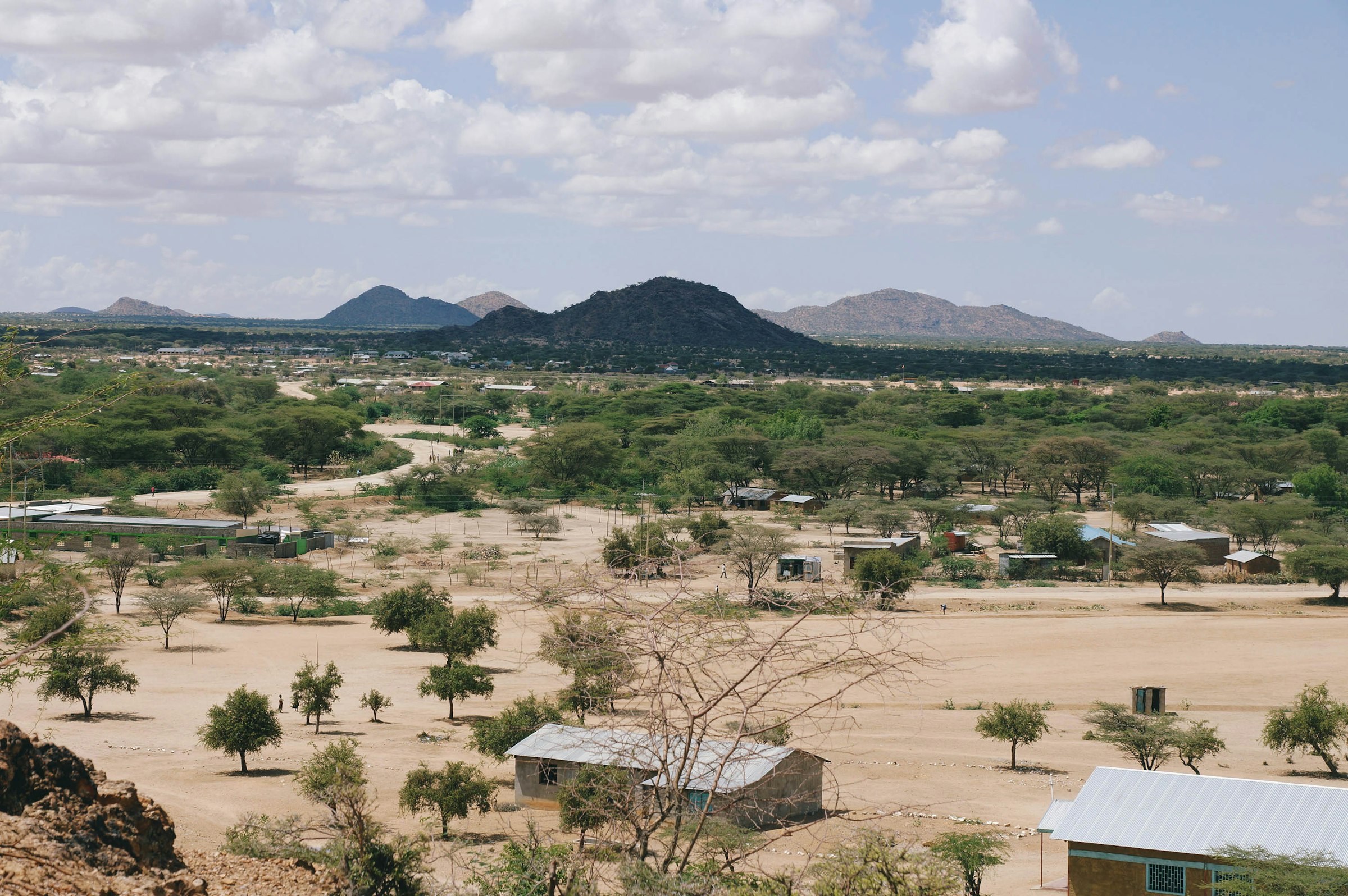
Elevated view of a dry, sparsely vegetated village in Turkana, Kenya
Photo · Imani Manyara / Unsplash
Situation Report
SITREP-04 · Drought & Displacement Response
REF SC/ER/2026-04  ·  DTG 310600Z JUL 26
Emergency Response Module

Registered to paid in under 72 hours

Cash and food-security response, offline-first, zero-signal registration. Composite sitrep — Kenya · Uganda · Afghanistan · Tanzania. Illustrative.

SITREP-04 / Drought & Displacement Response Section 01 — At a Glance
As of Day 3

The caseload, the clock, the coverage — as it stands right now.

340K
People in drought-affected wards flagged for response
Source: OCHA humanitarian response estimates (illustrative)
42,000
Households registered, Wave 1
Source: Scolah field deployment log
<72HRS
Time from alert to first disbursement
Source: Scolah field deployment log
96%
Households paid inside the target window
Source: Scolah field deployment log
11
Field teams registering fully offline
Source: Scolah field deployment log
0
Days of payment lost to signal outage
Source: Scolah field deployment log
FIELD ASSESSMENT — Caseload is tracking above Q1 projections in three wards. Wave 1 disbursement complete. Wave 2 targeting opened before Wave 1 closed. Response capacity holding.
Scolah Compass — Emergency Response Module Page 2 of 8
SITREP-04 / Drought & Displacement Response Section 02 — Context
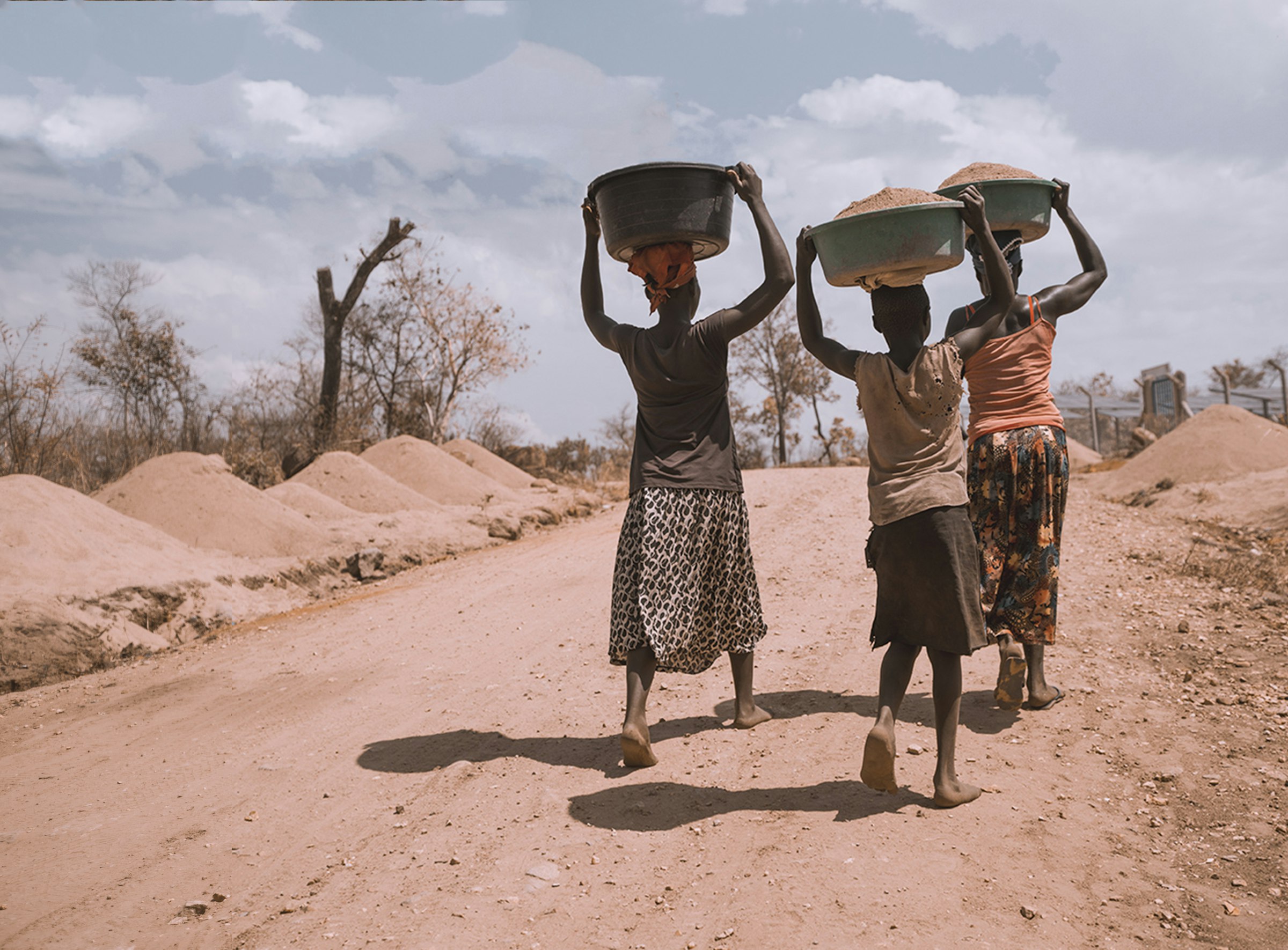
Women carrying basins barefoot at Rhino Refugee Camp, Arua, Uganda
Photo · Ninno JackJr / Unsplash

The nearest water point is 9km out. It was 4km two years ago.

Rains have failed for a fifth consecutive season across the arid corridor. Boreholes that served 1,200 households now serve none. Livestock deaths are running at three times the five-year average in the worst-hit wards.

Displacement is starting before the emergency does — households move toward water before they reach a registration point. A response that waits for people to arrive is already behind them.

9km
Median distance to nearest functioning water point
5th
Consecutive failed rainy season, arid corridor
Source: FEWS NET drought monitoring, regional early-warning bulletins. Composite, illustrative.
Scolah Compass — Emergency Response Module Page 3 of 8
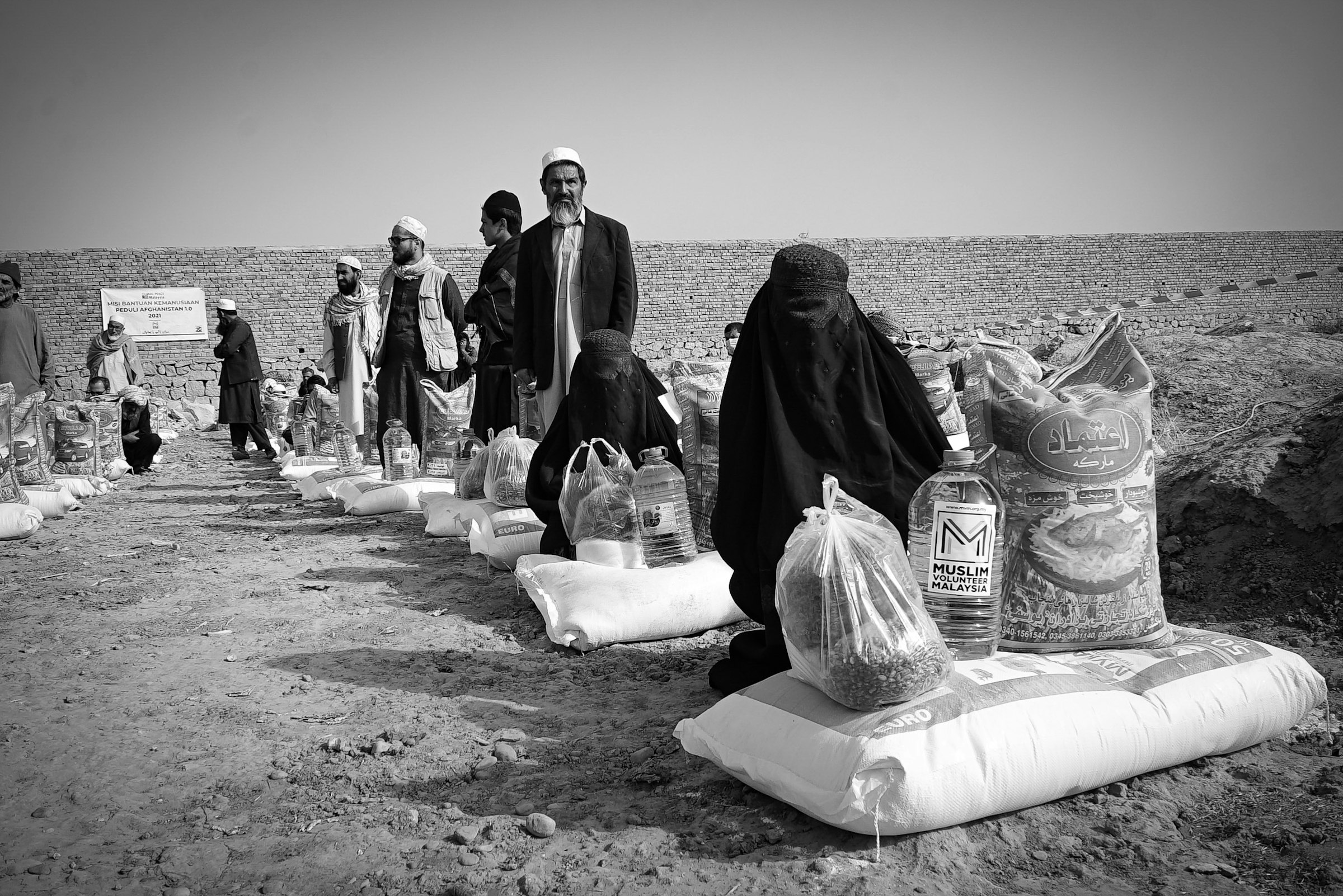
Families receiving food-aid sacks and supplies at a distribution point in Afghanistan
SITREP-04 / Drought & Displacement Response Section 03 — Ground Truth

Two thousand households. One afternoon.

Distribution lists cross-check against Compass Intake the moment each family is served, offline, on the tablet in an enumerator's hand — a duplicate here means someone else on the list waits longer.

Photo · Wanman uthmaniyyah / Unsplash
Scolah Compass — Emergency Response Module Page 4 of 8
SITREP-04 / Drought & Displacement Response Section 04 — Response Timeline

The clock starts at Hour 0.

From first alert to first payment — compressed to the window that actually matters.

Hour 0–6

Assess

Drought trigger confirmed against early-warning thresholds. Field teams dispatched. Compass Core opens the case.

Day 1–2

Register

Targeting criteria locked. Enumerators register households offline via Compass Field — no connectivity required at the point of contact.

Day 3

Pay

Registration list reconciled against budget line. First transfers clear through Compass Disburse.

Week 1 onward

Scale

Compass M&E flags coverage gaps in real time. Wave 2 targeting begins before Wave 1 closes out.

STATUS — Wave 2 targeting in progress. No blocking dependency on network restoration in any active ward.
Scolah Compass — Emergency Response Module Page 5 of 8
SITREP-04 / Drought & Displacement Response Section 05 — Why Speed

Most of this response runs with no signal at all.

1

Drought response fails at the last mile, not the first alert. Assessment is fast. Payment is slow — because a paper form sits in a bag until someone reaches a tower.

2

Compass Field runs registration, duplicate checks, and eligibility rules on the device, in the hand of the enumerator who never left the ward.

3

Sync happens when signal returns — not before payment. Compass Disburse doesn't wait for connectivity to reconcile a caseload against a budget line.

4

Bandwidth was never the constraint worth optimizing for. The household queue for payment was — and it's the one this shortens.

A household either eats this week or it doesn't — response speed is what decides which.

Scolah Compass — Emergency Response Module Page 6 of 8
SITREP-04 / Drought & Displacement Response Section 06 — Capability

What's running in the field.

Six modules, one caseload, no separate system to stand up under pressure.

Field

Offline registration. Biometric dedupe and eligibility rules run on-device. No signal required at intake.

Disburse

Payment reconciliation against caseload and budget line before funds move. Multi-rail: mobile money, cash-in-hand, voucher.

AI

Automated risk flagging. Cross-wave duplicate detection and targeting-criteria checks run at the point of intake.

M&E

Real-time coverage tracking. Gaps surface before the next wave opens, not after the report is due.

Core

Case record and audit trail. Every disbursement traces back to a single registration event.

Intake

Rapid household registration, configurable per response. Runs standalone or synced to Core once signal returns.

"By the time the signal came back, the money already had."
Emergency Response Coordinator
Illustrative composite — not an attributed individual
Scolah Compass — Emergency Response Module Page 7 of 8
Deployment

Every hour without registration is an hour without payment.

Compass Emergency Response deploys inside an existing case-management rollout — no separate system, no separate training, no waiting on signal to start paying people.

Deployment Lead
Emergency Response Deskhello@scolah.com
Escalation
compass@scolah.comMonitored 24/7 during active deployment
Partnerships
compass.scolah.comDonor & consortium briefings on request
Field Photography — additional credits
Woman at a fruit stall in Dar es Salaam, Tanzania holding a smartphone
Ali Mkumbwa / Unsplash
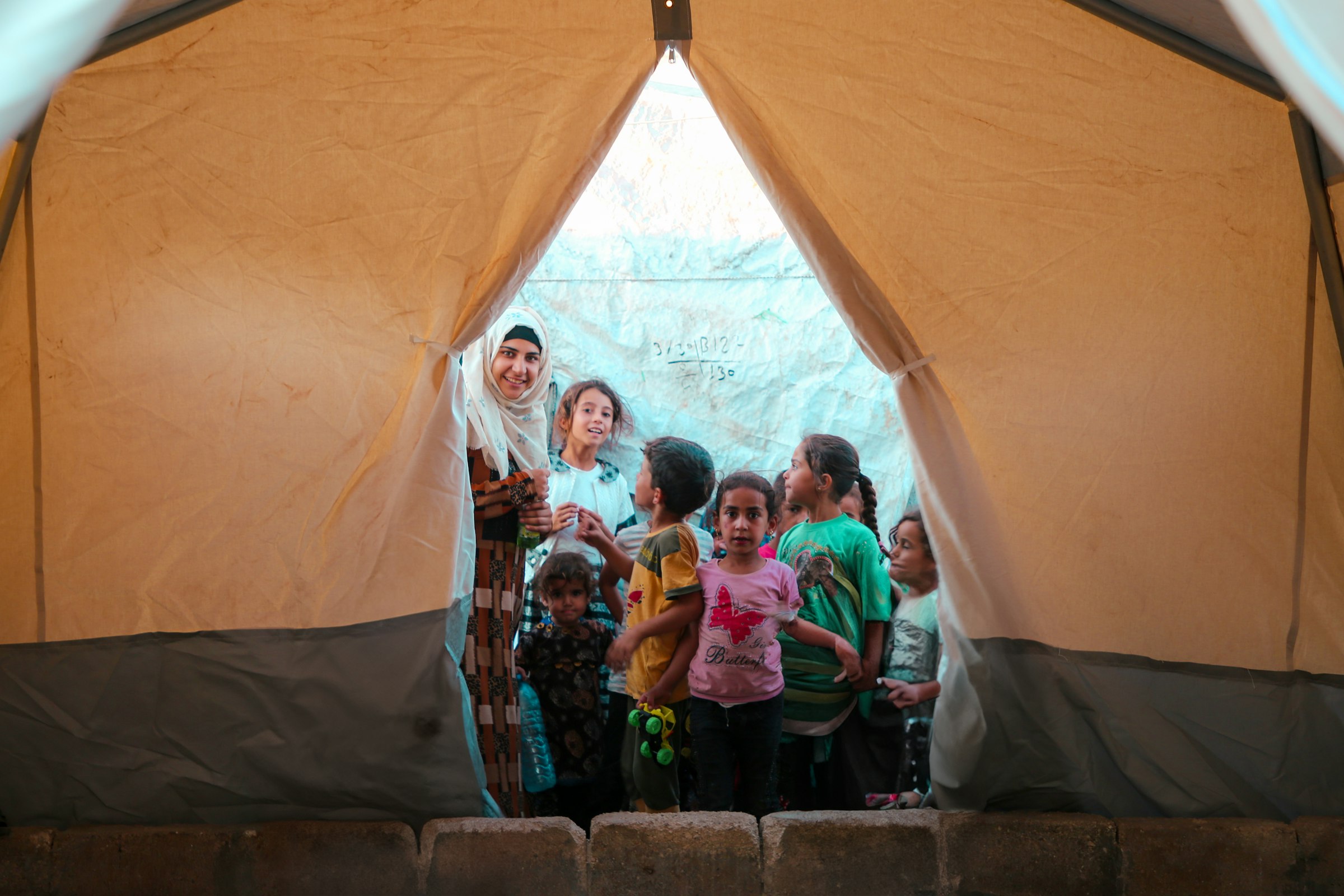
Woman and children gathered at the entrance of an aid tent, Syrian refugee camp
Salah Darwish / Unsplash
Close-up of cracked, drought-parched earth, Buenos Aires Province, Argentina
José Ignacio Pompé / Unsplash
End of Sitrep — SC/ER/2026-04 Page 8 of 8