A chronicle of one child's first 1,000 days — the stretch of biology that shapes more of a life than any policy that follows it — told through the record-keeping that, for once, follows the mother instead of the other way around.
Amara leaves before dawn so she can be first in the queue at the health post — if she waits until the sun is up, the walk will cost her the whole morning, and she has none to spare. She carries a folded scrap of paper with her name written on it, in case the booklet from her last pregnancy, the one with her son's growth curve inside, never turns up again.
Illustrative composite. Amara is not a documented individual — she is a synthesis of registration patterns observed across Compass-supported maternal and child health catchments, used here to make an abstraction legible. She recurs through this chronicle for the same reason.
This chronicle is organized the only honest way this story can be told — in the order it happens. Each entry below marks an age, not a chapter. Nothing here skips ahead.
Amara's first visit takes fourteen minutes. A community health worker enters her name, her estimated due date, and the name of the village elder who can vouch for her when she has no formal ID — all of it on a phone that keeps working even when the signal doesn't, syncing later from wherever there's a signal to catch.
It used to be a photocopied booklet, water-stained by month three and gone entirely by month seven. Now it's a record that exists whether or not the paper does — the first entry in a file that will grow with her son for the next four years, whether she moves village, changes clinic, or simply forgets a date herself.
The visit is quick and unremarkable to watch: a colored tape around an upper arm, a weight, a mark on a chart. What makes it matter is timing. Caught here, a faltering curve is still just a curve — something a feeding plan can bend back. Caught a year later, it's closer to a fact.
Amara doesn't see the chart the way the health worker does. She sees a number read aloud, translated into whether her son is "growing well" or needs "extra visits" — the second phrase, this time, followed by relief rather than a shrug.
By her son's first birthday, Amara has attended six nutrition counseling sessions and missed none of them — not because she's unusually disciplined, but because the transfer she depends on is conditional on exactly that, and the record of her attendance is no longer something anyone can misplace or dispute.
The money arrives the same afternoon a field officer logs the visit. There is no waiting for a paper reconciliation at month's end, no trip to a district office to confirm what everyone already knows happened. The gap between doing the thing and being credited for it has simply stopped existing.
None of this is dramatic. That's the point. A health worker's day is made of dozens of small, unglamorous entries like these — and for years, it was exactly this kind of entry that got lost first, because it lived on paper, in a bag, on a motorbike, on a dirt road. The log isn't the story. It's what makes sure the story doesn't disappear.
Between month 6 and month 24, Amara's son has been seen by three different health workers across two villages — her mother's, where she stays for the harvest, and her own. The growth chart doesn't reset each time. It's the same file, opened by whoever is holding the phone that week.
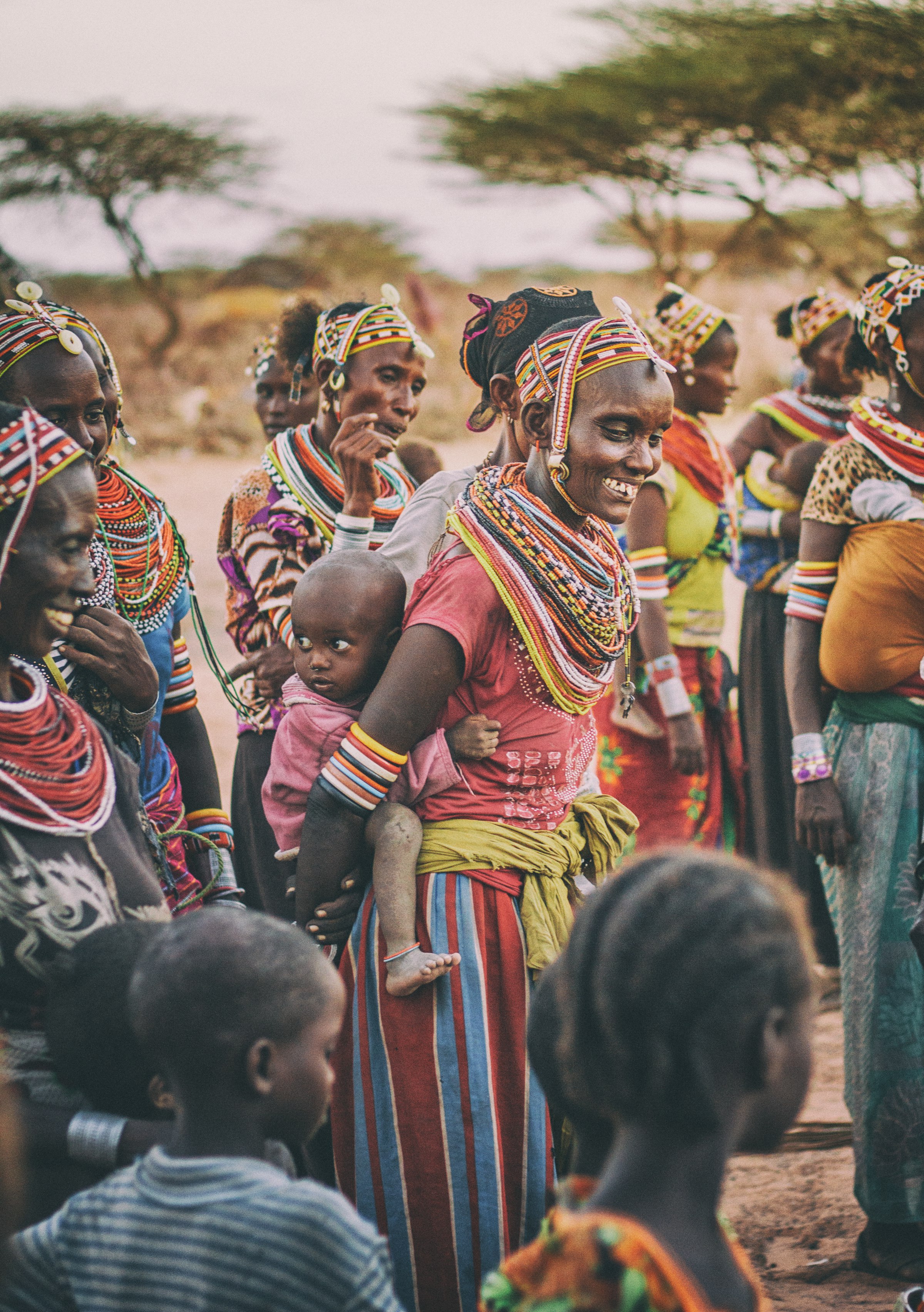
At the group session pictured here, a dozen mothers compare notes the way they always have — but the health worker running it now sees, on one screen, which households in the group haven't been seen in over 60 days, and follows up on those first.
Baseline prevalence benchmarked against the UNICEF / WHO / World Bank Group Joint Child Malnutrition Estimates. Figures attributed to Compass are illustrative modeled outcomes for a representative catchment, not audited trial results.
I stopped being afraid of losing the paper. Now I'm just afraid of missing an appointment — which is a much better thing to be afraid of.
Illustrative composite quotation, synthesized from patterns in caseworker and beneficiary feedback. Not attributed to a real, identifiable individual.
Six modules, in the order Amara actually meets them — not the order an org chart would draw them in.
The fourteen minutes that open a file with no paper to lose — built for workers who don't always have signal, only ever a phone.
The transfer that lands the same afternoon a visit is logged — conditional, traceable, and never waiting on a month-end reconciliation.
The tools the health worker actually carries — growth data written once, in FHIR, straight into whatever OpenMRS record the clinic already keeps — offline-first, and synced when signal returns.
The chart that follows the child across clinics and workers, syncing into the ministry's own DHIS2 dashboards, so the aggregate view a programme director reads was never re-typed from Amara's file.
The single case file beneath every module here — one record per child, portable across the wider social-protection stack via the DCI standard, from registration to the last growth check.
The flag that catches a growth curve bending the wrong way before a human eye would. The same intelligence answers Amara directly through Hotline, a chat line for the days she has a question and no visit scheduled.
This chronicle followed one composite family through 1,000 days. Every government agency, NGO, and health system runs thousands of these files in parallel — Compass is the record layer that keeps each one intact, from registration to the last growth check, regardless of who's holding the phone that week.
One catchment area, existing CHW network, live within a single quarter.
Multi-district deployment, integrated intake, field, and disbursement.
M&E dashboards, AI-assisted flagging, and dedicated implementation support.