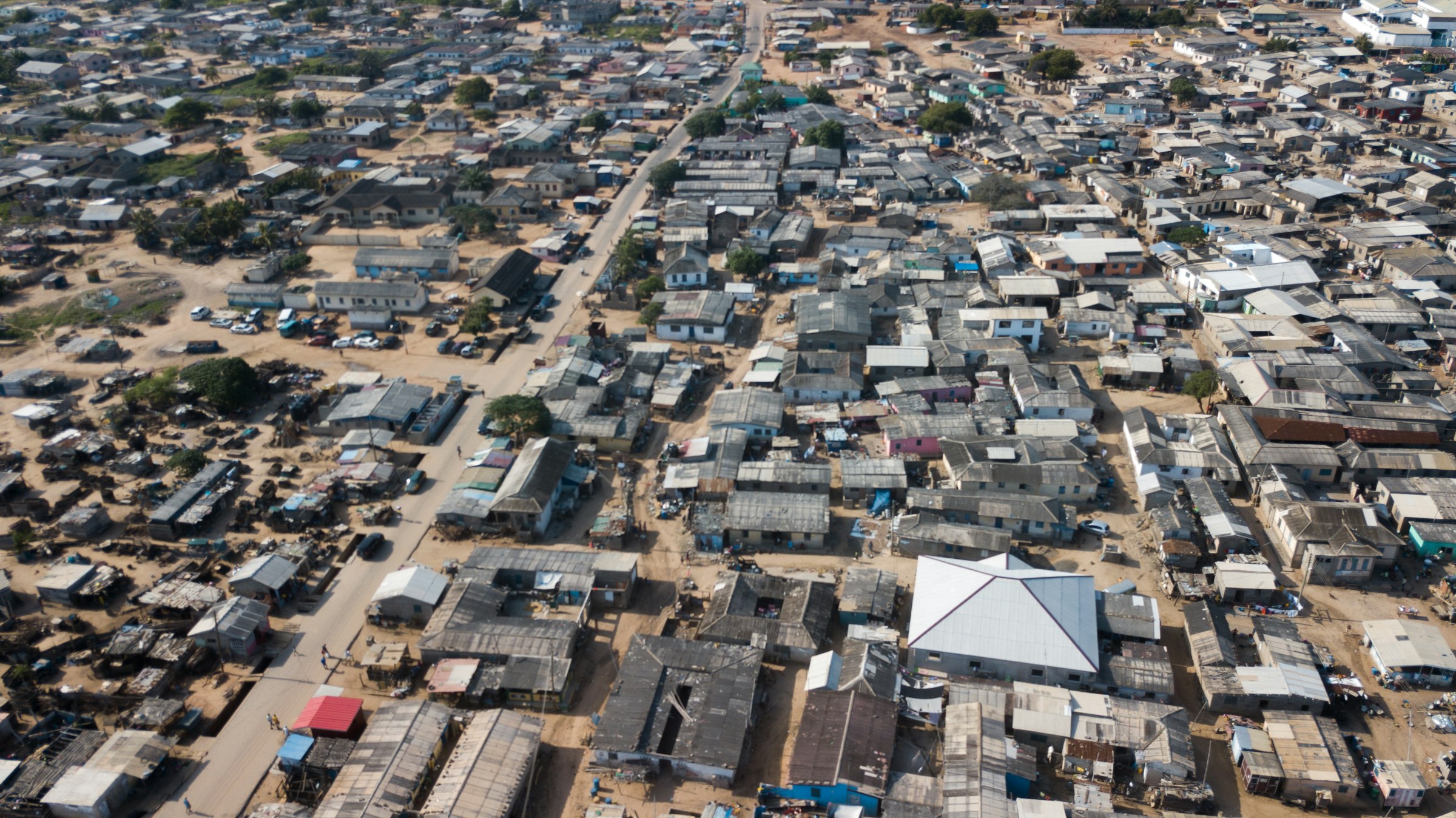
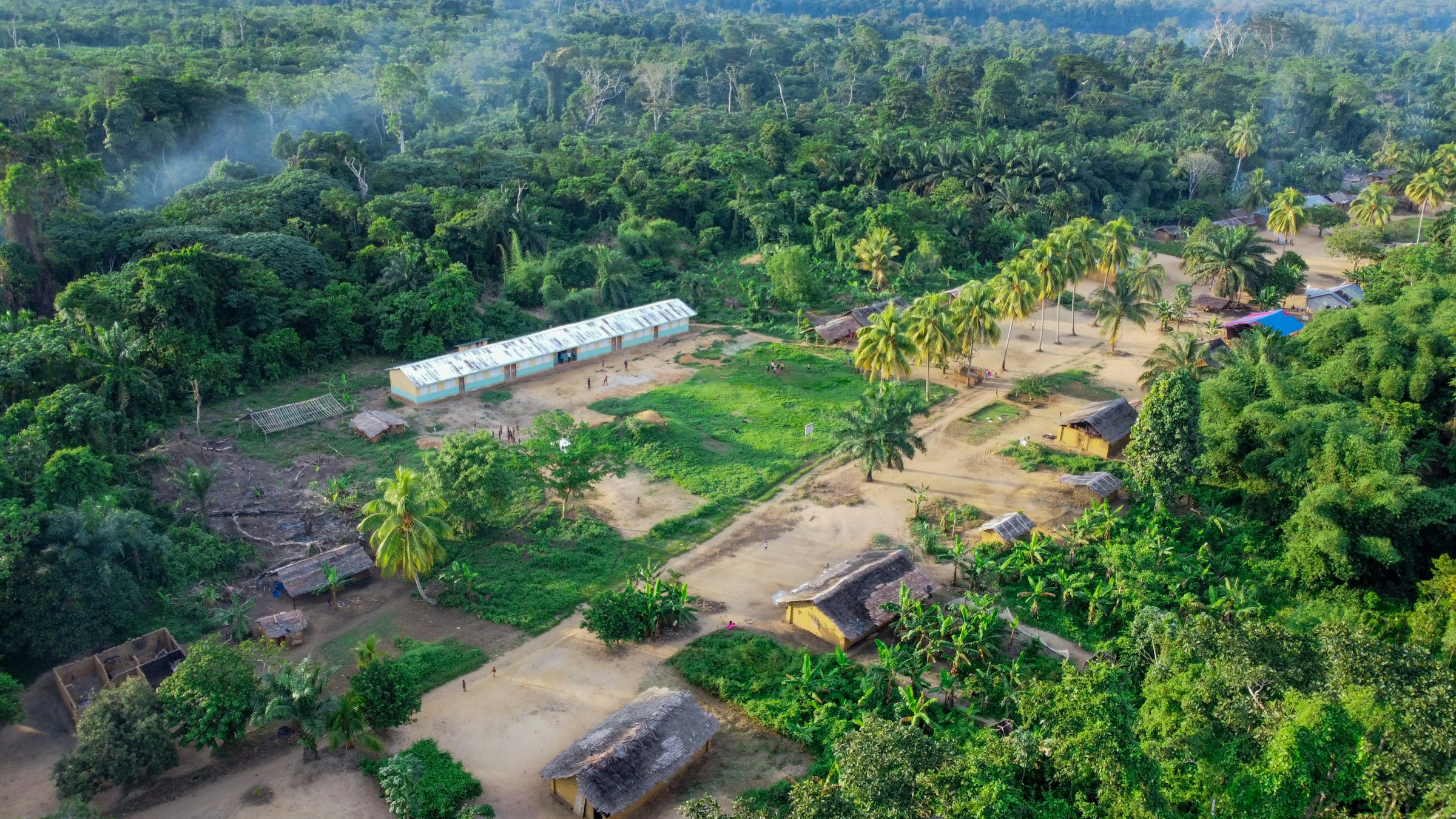
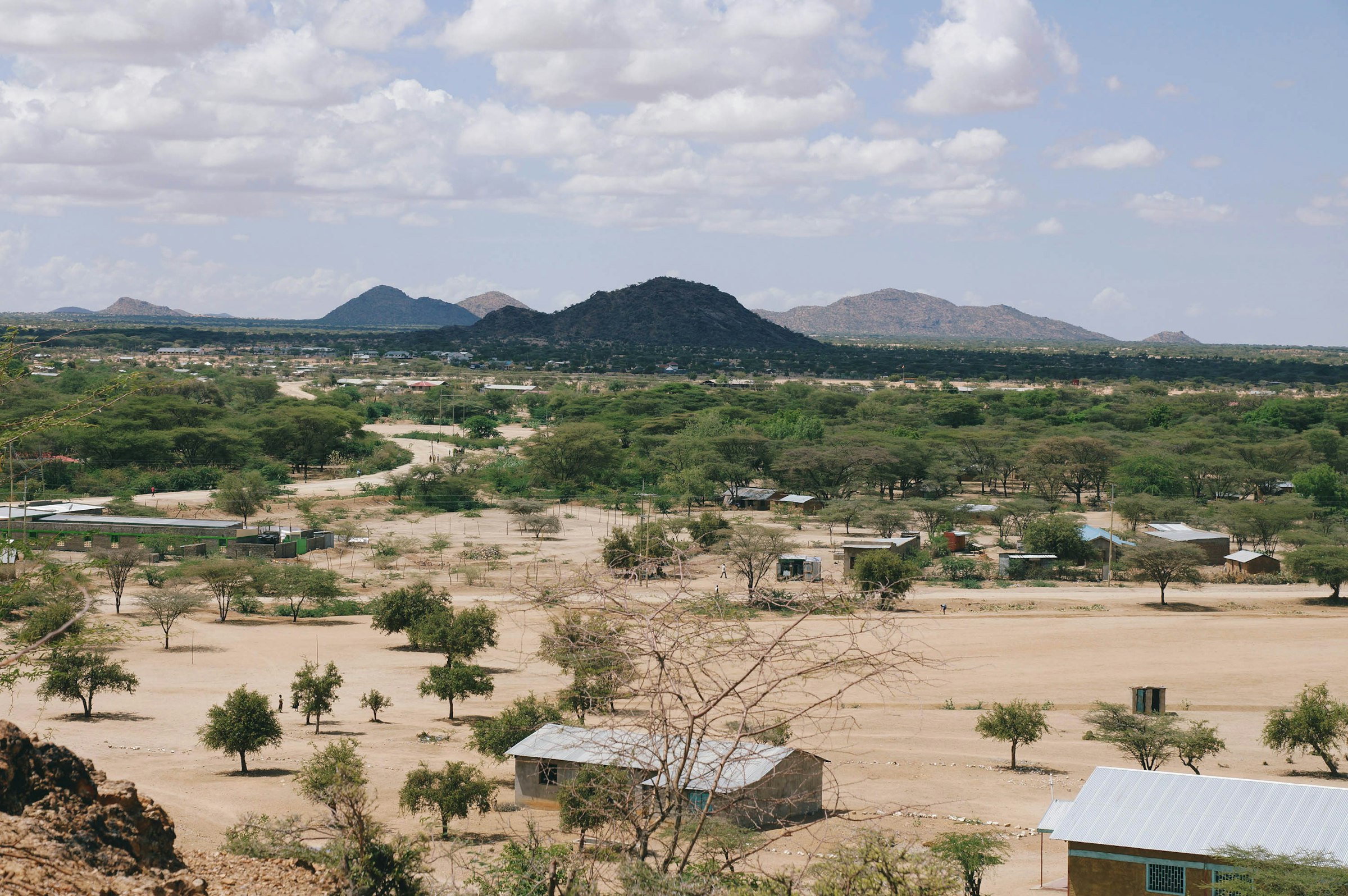
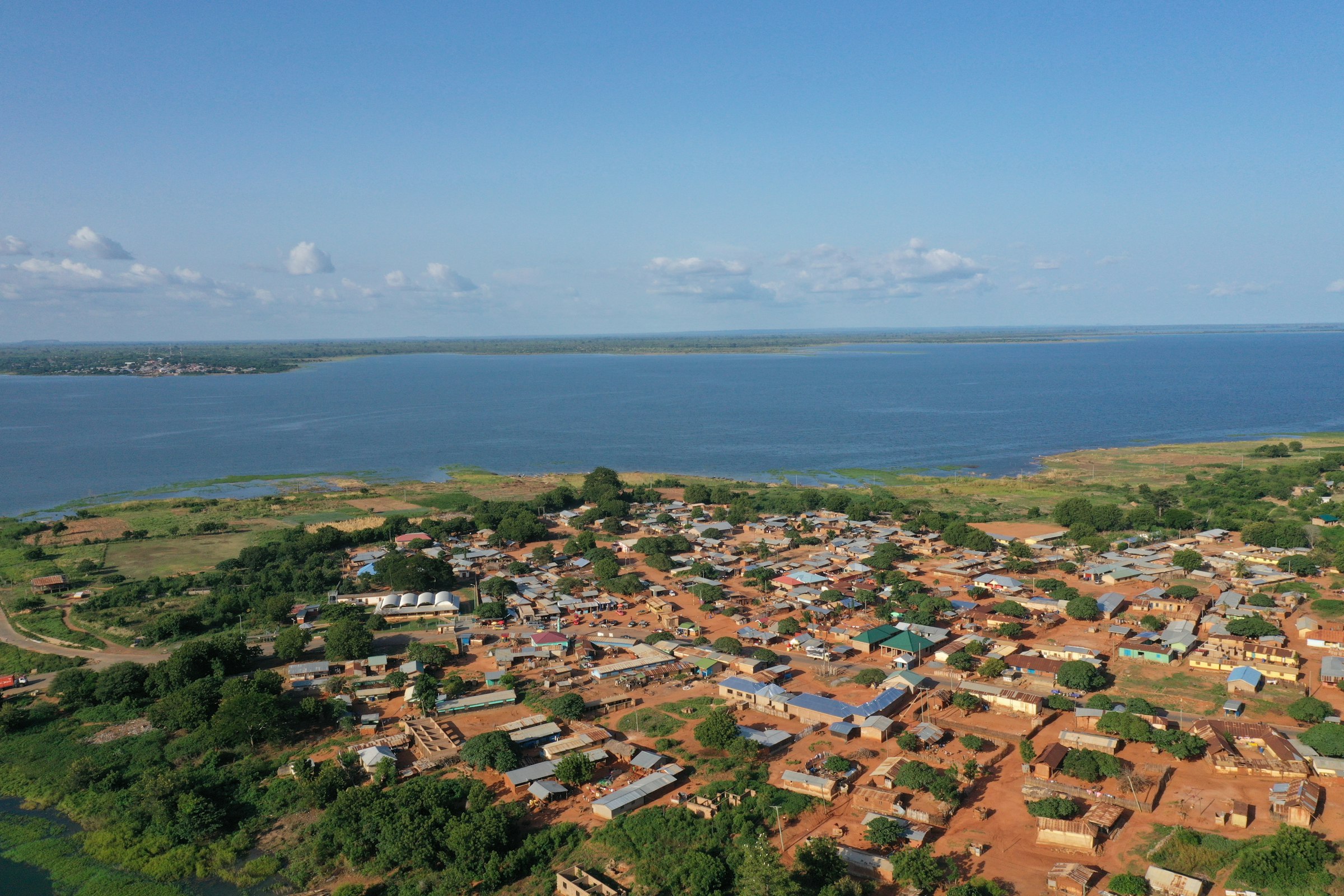
Aerial view of a rural community and farmland at golden hour
Product Brief · Edition 01
For Programme Directors & IT Leads
Social Protection Management, Reimagined

Never lose
a case again.

How Scolah Compass gives NGOs and government social-protection agencies one offline-first system for intake, field visits, case management, disbursement, and donor reporting — built for teams whose work doesn't stop when the signal does.

Scolah Compass SC-CS-001 Jul 2026
Scolah CompassFrontispiece
§ Frontispiece
Every family a programme
serves deserves to be remembered
not re-registered, re-explained,
and re-assessed each time a
new visitor arrives with a clipboard.
The Scolah Compass thesis Built on this idea: a social protection platform has to hold context across every visit, every worker, and every agency a family ever touches — quietly, reliably, in the background.
Built For
NGOs & Social Protection Agencies
Modules Covered
Intake · Field · Disburse · M&E
Deployment Model
Offline-First · Multi-Agency
02Scolah Compass · 2026
Scolah CompassContents

What's
inside.

A case for adoption in six movements — opening with the problem every social-protection programme quietly carries, closing with exactly how an engagement begins. Twelve minutes to read, three to skim.

  • § 01The briefA sector still coordinated by phone calls, spreadsheets, and goodwill.04
  • § 02The fieldWho actually touches a case file, and what each of them needs.05
  • § 03The rolloutFrom discovery to a first field visit, without a change freeze.08
  • § 04The capabilities20+ modules. 10 integrations. 8 donor report themes. Built in.10
  • § 05The architectureOne deduplicated record. Every system it already touches.12
  • § 06What your programme getsThe shape of a Scolah Compass engagement — and how to begin.15
03Contents
§ 01 — The BriefThe Case for Scolah Compass
§ 01 — The Brief

A sector still
run on paper.

Ask most social-protection programmes how they know what's happening to the families they serve, and the honest answer involves a paper intake form, a spreadsheet with three conflicting versions, a WhatsApp group where field staff post updates, and a disbursement ledger that nobody but the finance officer can fully read. None of these talk to each other.

This isn't a failure of the people running these programmes. It's the tooling. Case management software built for hospitals or call centres assumes reliable connectivity, a single office, and a case that closes in days. Social protection is none of these things — it runs in villages without signal, across a dozen field officers who rarely see a desk, and for cases that stay open for years.

The cost of that mismatch is not abstract. A household gets registered twice under two different programmes, doubling a payout that should have gone further. A caseworker leaves, and six months of visit notes leave with her, in a notebook nobody digitised. A donor asks for a mid-year report in their own template, and someone spends a week rebuilding it from four spreadsheets by hand.

Scolah Compass exists to close that gap — not by replacing the tools your teams already trust, like KoboToolbox for forms or DHIS2 for health data, but by sitting alongside them as the one record that remembers a family across every visit, every worker, and every agency it ever touches.

"You shouldn't need four disconnected systems and a WhatsApp group to know whether a child is safe."
04§ 01 · The Brief
§ 02 — The FieldThe Case for Scolah Compass
A caregiver sitting with a child at home, a warm intimate moment
Photo · Moses Sichach / Unsplash
§ 02 — The Field

One family.
Six touchpoints.

A single household moving through a social-protection programme is touched by an intake officer at registration, a PMT assessor scoring need, a caseworker on a home visit, a disbursement officer approving payout, an M&E officer building the donor report, and a programme director reading the dashboard that report feeds.

Each of them currently works from a different source of truth — or none. Scolah Compass gives all six the same underlying case file, scoped to what their role should see, updated the moment any one of them acts on it.

Worldwide, the gap this closes is not small. Independent estimates from the ILO put more than half the global population outside any form of social protection coverage at all — and the programmes that do reach them are frequently the ones still tracking beneficiaries by hand.

4B+
People with zero social-protection coverage, worldwide
<50%
Of the global population covered by any benefit at all
6
Distinct roles that typically touch one case file
1
Record Scolah Compass keeps for each of them, deduplicated
Sector figures per ILO World Social Protection Report estimates — cited for context, not attributed to any single programme.
05§ 02 · The Field
A mother carrying her sleeping infant in a traditional sling while working
§ 02 · The Field

Built for the field.
Not the boardroom.

A caseworker without signal for six hours doesn't lose six hours of work. The visit still opens, the form still saves, the note still attaches — and it all syncs the moment a bar of signal returns.

Photo · Annie Spratt / Unsplash
06The Field
§ 02 — The FieldThe Case for Scolah Compass
§ 02 — The Field, Continued

Many actors,
one record.

A working social-protection programme is a chain of handoffs. An applicant registers — on paper, by phone, or through a partner agency's referral. Someone scores the household's need with a proxy means test. A caseworker visits, GPS-tags the household, and files notes that a supervisor should be able to read without a second trip. A disbursement gets approved and paid, in bulk, through whatever rail the programme already uses. Months later, a donor asks what changed.

Each of these people used to need a different tool, or no tool at all. Scolah Compass's answer wasn't to build one screen for everyone. It was to build one record underneath all of them, and a different surface for each: an intake officer sees a registration queue; a caseworker sees an offline-capable visit app; a disbursement officer sees a batch approval screen; an M&E officer sees indicator trends and a report generator tuned to the exact template a donor already expects.

When a programme can't help a family directly — the case needs a partner agency with a different mandate — Scolah Compass's hub-partner referral network hands the case across organisational lines without losing the history that got it there.

All of them are looking at the same family. None of them are looking at the same screen.

"The people who build the case file are rarely the people who read the report built from it. Scolah Compass exists so both groups trust the same numbers."
07§ 02 · The Field
§ 03 — The RolloutThe Case for Scolah Compass
§ 03 — The Rollout

From discovery to
a first visit, in weeks.

Scolah Compass ships as independently deployable modules. Core and Intake go live first — configured to your agency, not a generic template. Field and disbursement follow once the first cohort is registered.

STEP 01 · WEEK 1
DISCOVERY

Discovery

Maps your programmes, intake forms, donor templates, and existing tools — Kobo, DHIS2, mobile money rails already in use.

STEP 02 · WEEK 2–3
CORE LIVE

Core & Intake

Agencies, programmes, and roles are configured. Intake forms and PMT scoring go live; existing beneficiary lists are imported and deduplicated.

STEP 03 · WEEK 4–6
PILOT

Field pilot

Caseworkers trained on the offline visit app. First GPS-tagged home visits and assessments captured — with or without signal.

STEP 04 · ONGOING
SCALE

Disburse, report, scale

Bulk disbursements connect to your payment rail. AI risk flags and donor-ready M&E reports switch on. Hub-partner referrals follow when ready.

What changes by week six

The intake queue stops living in someone's inbox. A registration made on Monday is visible to the assessor by Tuesday, without a forwarded spreadsheet in between.

The first bulk disbursement runs through Scolah Compass rather than a manual bank-transfer list — with a batch record the finance officer can reconcile without cross-checking three files.

What it costs the programme

No system replacements. Your existing data-collection and payment tools stay exactly where they are — Scolah Compass integrates alongside them rather than requiring a rebuild.

Existing programme staff are typically trained on the field app and form builder within two weeks, without a dedicated IT hire.

08§ 03 · The Rollout
§ 03 — The RolloutThe Case for Scolah Compass
A field worker in gloves holding a tablet outdoors near a wooden fence
Photo · Land O'Lakes, Inc. / Unsplash
A group of people gathered in a circle outdoors for a community meeting
Photo · Frederick Shaw / Unsplash
Close-up of an adult's hand gently holding a child's hand
Photo · ika ika / Unsplash
09§ 03 · In the Field
§ 04 — The CapabilitiesThe Case for Scolah Compass
§ 04 — The Capabilities

Adjectives cost nothing.
These are the modules.

20+
Integrated modulesIntake, PMT scoring, field visits, case notes, interventions, disbursement, reminders, and M&E reporting — one system, not fourteen logins.
10
Native integrationsDHIS2, KoboToolbox, ODK, CommCare, RapidPro, and mobile-money or bank-transfer rails — connected, not replaced.
8
Donor-ready report themesUNICEF, WHO, World Bank, and more, built into the M&E module — no report rebuilt by hand each quarter.
100%
Offline-capable field captureVisits, assessments, and case notes queue locally and sync automatically the moment connectivity returns.
0
Systems ripped out to adopt itScolah Compass sits alongside the tools your teams already trust — it doesn't ask you to migrate off them first.
1
Record, per beneficiaryDeduplicated across every programme, every agency, and every hub-partner referral that ever touches the case.
"Software doesn't need adjectives. It needs to still work when the tablet has one bar of signal and a home visit can't wait." The standard every Scolah Compass module is built to.
10§ 04 · The Capabilities
§ 04 — The CapabilitiesThe Case for Scolah Compass
"
We stopped asking caseworkers which spreadsheet was current. Now the system remembers for them — and tells us, in real time, which households need us most.
PD
Programme Director
Composite · Child Protection Programme
ILLUSTRATIVE — A COMPOSITE OF FEEDBACK PATTERNS FROM PROGRAMME-DESIGN CONVERSATIONS, NOT A VERBATIM ENDORSEMENT FROM A NAMED PROGRAMME.
11§ 04 · Voices
§ 05 — The ArchitectureThe Case for Scolah Compass
§ 05 — The Architecture

One record.
Every system it already touches.

Scolah Compass doesn't ask a programme to give up its ODK forms, its DHIS2 dashboards, or its mobile-money rails. It sits alongside them — pulling data in, pushing outcomes out, and keeping one deduplicated case file as the source of truth.

DHIS2 HEALTH DATA KOBOTOOLBOX / ODK FIELD SURVEYS RAPIDPRO SMS / IVR OUTREACH COMMCARE CHW WORKFLOWS MOBILE MONEY MOMO / BANK RAILS CUSTOM / API KEY PARTNER SYSTEMS Compass
DecoupledEvery integration is an adapter, not a rewrite. Swap your data-collection tool without touching case history.
DeduplicatedOne beneficiary, one record — matched across every programme, agency, and hub-partner referral.
GovernedRole-based, agency-scoped access with a full audit trail on every case note, visit, and disbursement.
12§ 05 · Architecture
§ 05 — The ArchitectureThe Case for Scolah Compass
§ 05 — Modules in Production

Six modules.
One case file.

Each module is independently configurable but shares one identity layer, one deduplicated beneficiary record, and one design language — so the platform always feels like more than the sum of its parts.

FOUNDATION

Compass Core

Agency, programme, and role setup. Multi-tenant from day one — one deployment, many agencies, each scoped to its own data.

INTAKE

Compass Intake

Configurable form builder, applicant registration, PMT scoring, and deduplication against the existing beneficiary base.

FIELD

Compass Field

Offline-first mobile capture for GPS-tagged visits, assessments, case notes, and interventions. Queues everything, syncs when signal returns.

PAYMENTS

Compass Disburse

Single and bulk disbursements, batch tracking, and native rails into mobile money and bank-transfer gateways.

INTELLIGENCE

Compass AI

Async risk-assessment scoring on case data, plus a chat assistant grounded in your agency's own knowledge base.

REPORTING

Compass M&E

Configurable indicators, trend tracking, and one-click reports in donor-ready templates — UNICEF, WHO, World Bank, and more.

13§ 05 · Modules
§ 05 — Voices from the fieldThe Case for Scolah Compass
§ 05 — Voices from the Field

Same case.
Different doors.

A platform only matters where it touches the person using it. Below are four composite perspectives, drawn from patterns raised across programme-design conversations — not verbatim quotes from a named organisation.

The Programme Office
"Before, every Monday started with phone calls to every field office. Now the dashboard tells me before I ask — and the questions I do ask have gotten sharper."
Programme Director
Illustrative composite
The Field
"I used to carry a paper form and re-type it that evening if I had signal. Now the visit is done when I close the app — offline or not."
Field Case Worker
Illustrative composite
Data & Compliance
"Deduplication used to be a spreadsheet exercise every quarter. Now it's a property of the system — one household can't quietly become two.
M&E Officer
Illustrative composite
The Engineering Side
"What I appreciate is that our Kobo forms and DHIS2 dashboards didn't move. Scolah Compass sits above the tools we already trust and makes them talk."
IT Lead
Illustrative composite
QUOTES ABOVE ARE ILLUSTRATIVE COMPOSITES DRAWN FROM PROGRAMME-DESIGN RESEARCH, NOT ATTRIBUTED TO A NAMED INDIVIDUAL OR ORGANISATION.
14§ 05 · Voices
§ 06 — What Your Programme GetsThe Case for Scolah Compass
§ 06 — What Your Programme Gets

The shape of
a Scolah Compass engagement.

Every programme is different. Core and Intake are the starting point; the rest deploys in whatever order delivers value first. A typical engagement looks like this.

  1. 01
    A working demo against the live Scolah Compass environment.

    45 minutes. Real forms, a real offline field visit demoed on an actual patchy connection — not slideware.

  2. 02
    A discovery week with your programme team.

    Scolah maps your current forms, donor report templates, and existing tools — documented and priced before the week ends.

  3. 03
    Compass Core and Intake, configured and live in three weeks.

    Your agencies, your programmes, your intake forms — not a generic template. Existing beneficiary records imported and deduplicated.

  4. 04
    Compass Field and Disburse in pilot within six weeks.

    Caseworkers trained on the offline app; the first bulk disbursement run through your existing payment rail.

  5. 05
    M&E, AI, and hub-partner referrals — at your pace.

    Turn on donor reporting, risk flags, and multi-agency referrals when your team is ready, not before. Scolah supports the deployment for as long as you need.

15§ 06 · Engagement
Begin the conversation

Book the
demo.

We'll walk you through Core, Intake, Field, and the live offline demo. 45 minutes. No slideware — just a real social protection platform, running without signal and catching up the moment it returns.

Email
hello@scolah.comcompass@scolah.com · for programme leads
Web
compass.scolah.comArchitecture · Modules · Demo
Company
Scolah, Inc.United States
Imagery via Unsplash · free Unsplash License. Cover & pg 9A: Joshua Gaunt & Land O'Lakes, Inc. · Pg 5: Moses Sichach · Pg 6: Annie Spratt · Pg 9B/9C: Frederick Shaw & ika ika.
This document is a Scolah product overview. Illustrative quotes and scenarios are composites for context, not verbatim customer testimonials.
© 2026 Scolah, Inc.SC-CS-001 · v1.0 · Jul 2026